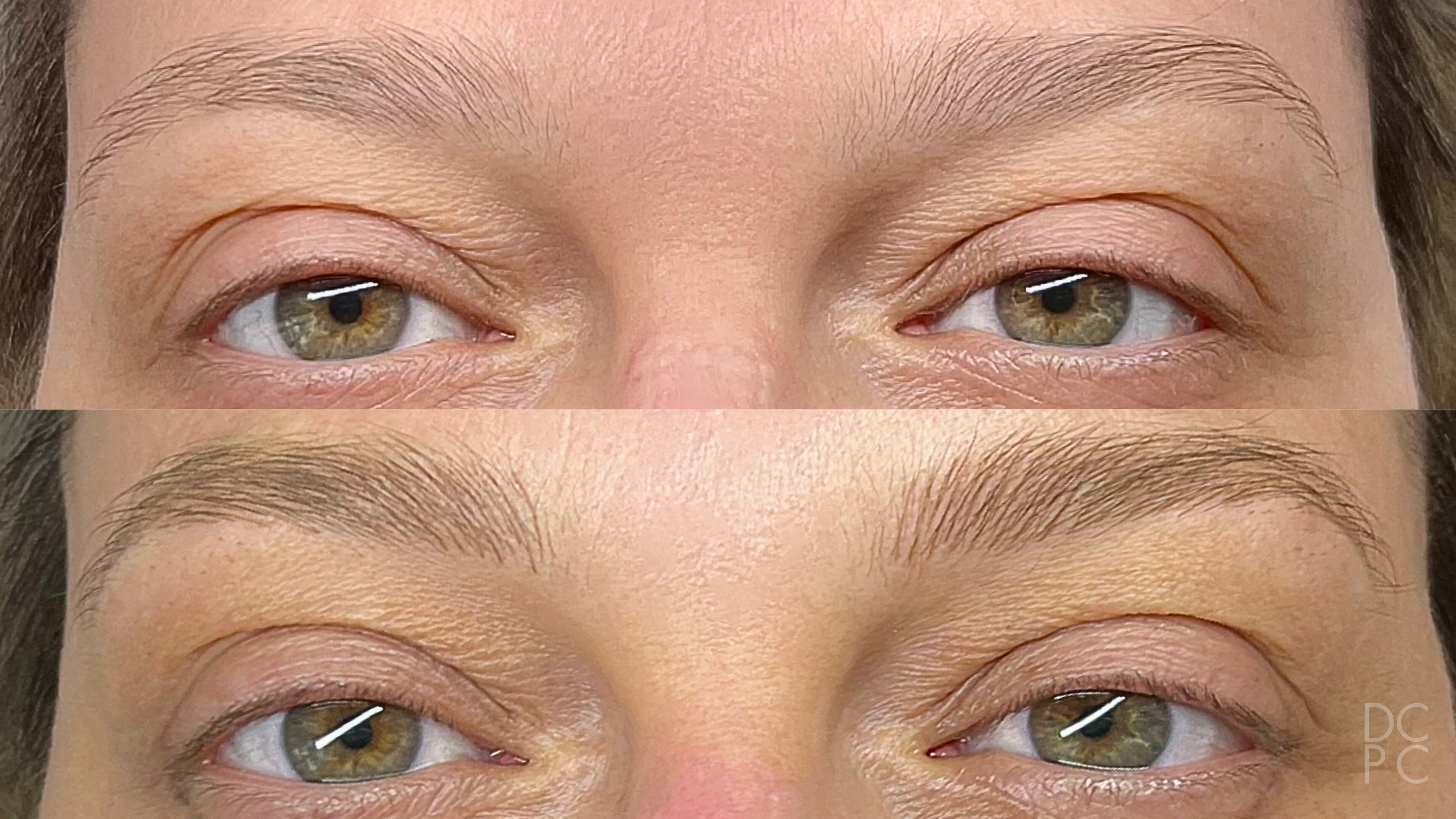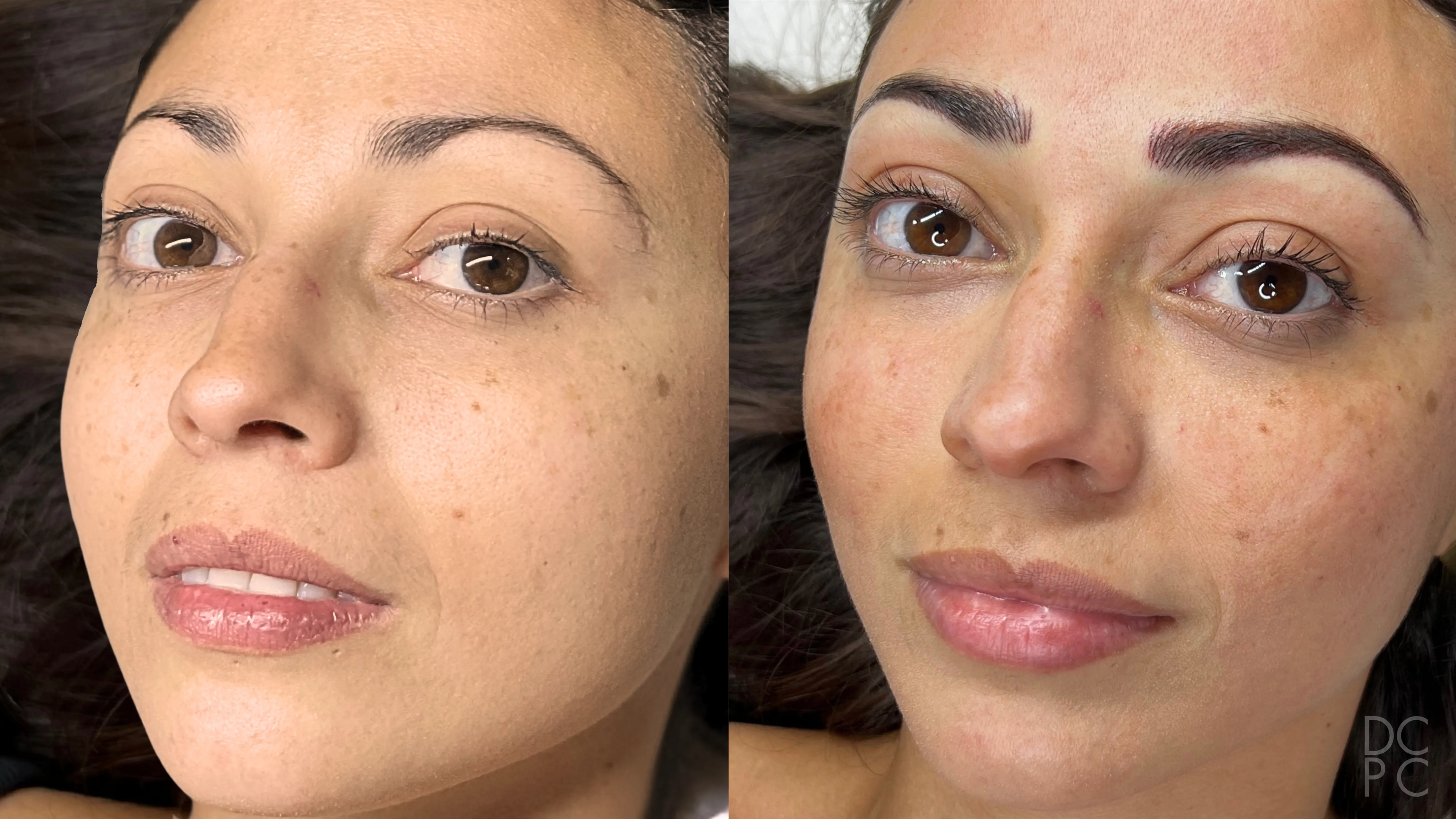
Foundation
For clients starting from scratch. Shape, pigment, and technique were determined collaboratively and translated into a plan guided by anatomy, tissue behavior, and long-term wear.
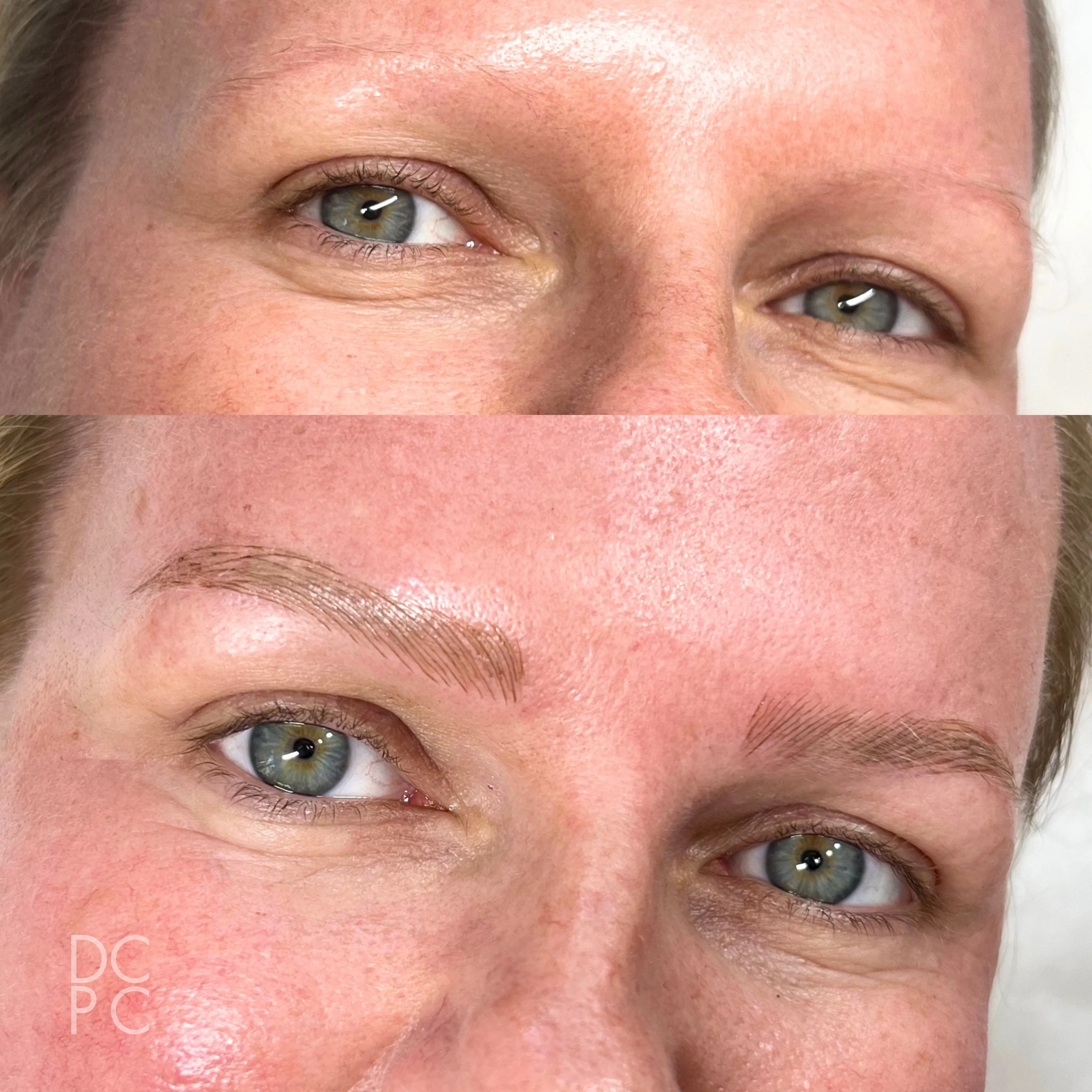
DCPC
Permanent cosmetics at DCPC were built around one question: how is the face being read now, and what needs to shift?
Brows are not a minor detail. The face is the first point of contact. They frame the gaze, balance facial features, and direct focus. Old pigment, weak shape, asymmetry, hair loss, and poor framing can all change how you are perceived before you speak.
The work was anatomy-led. Pigment knowledge, shape, density, and long-term wear were calibrated individually. Permanent cosmetics at DCPC included brow restoration, alopecia support, and refinement of previous brow work — always with the goal of creating results that feel integrated, believable, and true to the person wearing them.
This was not only about adding more. It was about building a more accurate read.
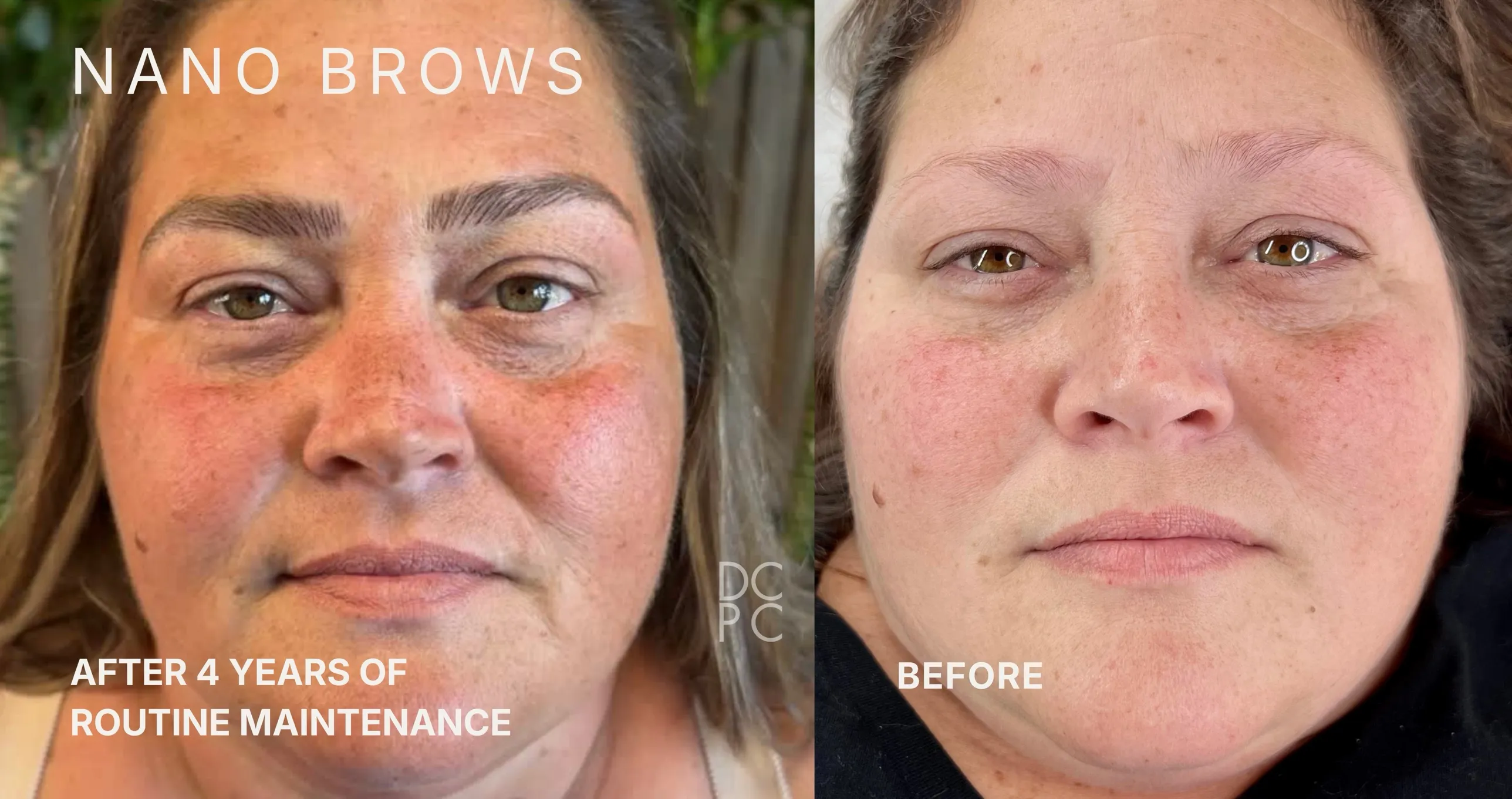
THE REFLECTIONS
“David Chum is a blessing. I had the thinnest, barely there eyebrows. Every time I would go to put makeup on, I'd get to the brow pencil and would take a deep breath, because y'all know...one wrong move and face ruined! It may seem like a small thing, but honestly I'm so happy with the results.”
SIGNATURE PATHWAYS
Each pathway began with the same goal: a brow that supports
the face and reads clearly.
For clients starting from scratch. Shape, pigment, and technique were determined collaboratively and translated into a plan guided by anatomy, tissue behavior, and long-term wear.
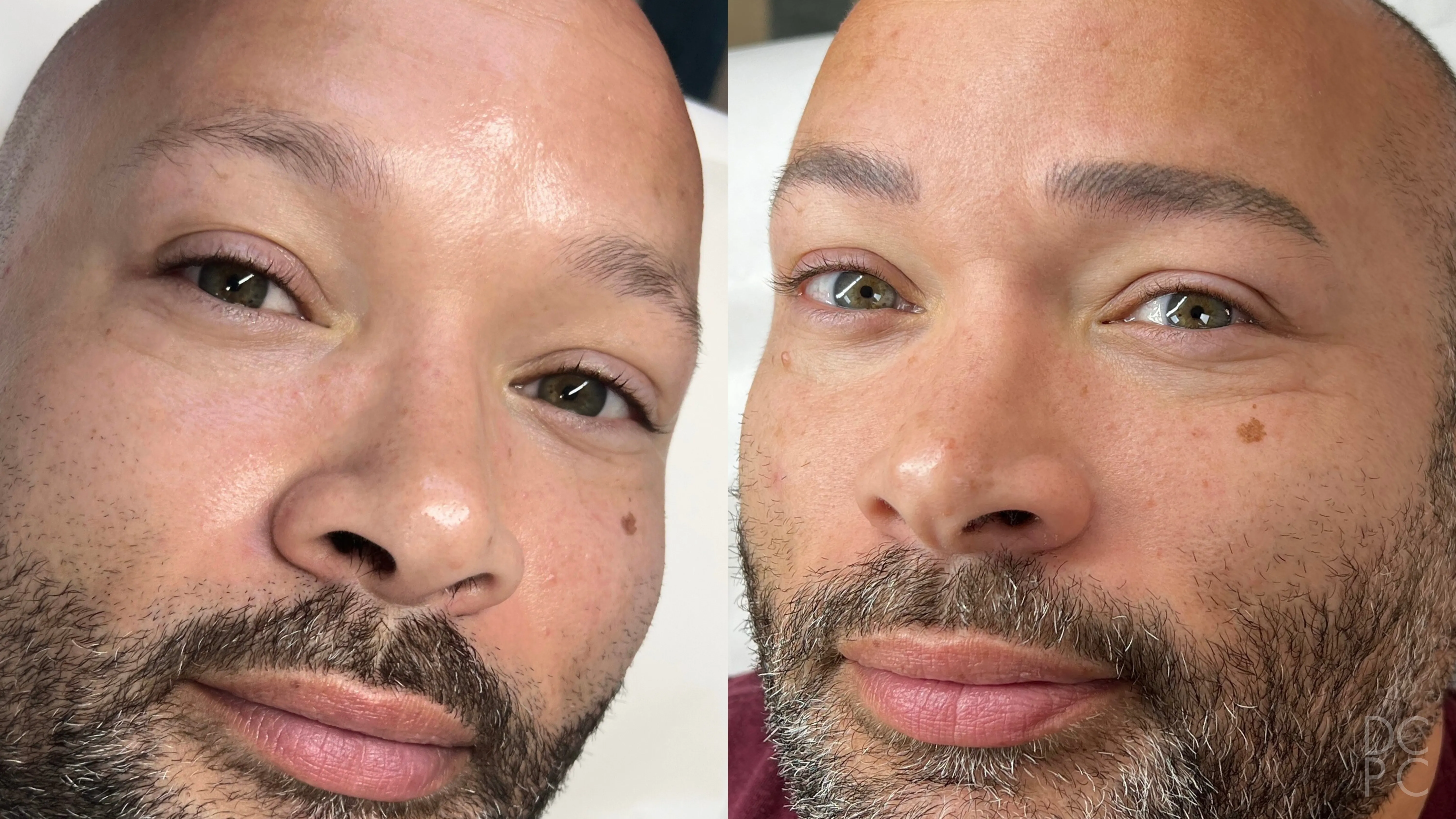
For existing DCPC clients. Designed to preserve the read because the body, skin, and the work continue to change over time.
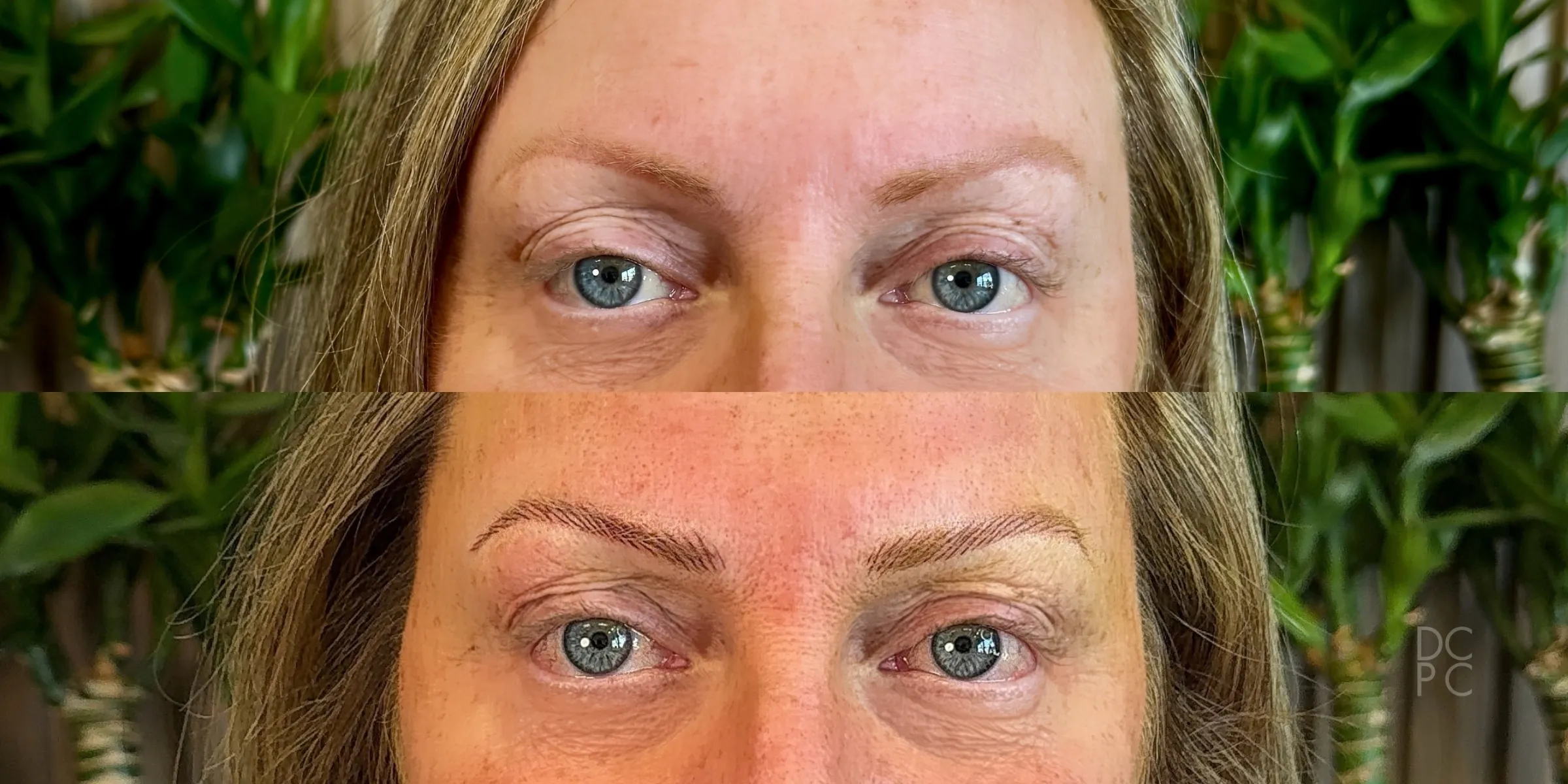
For previous brow work done outside DCPC. The goal was to restore balance, clarity, proportion, shape, and color to support what the face needed.
For clients starting from scratch. Shape, pigment, and technique were determined collaboratively and translated into a plan guided by anatomy, tissue behavior, and long-term wear.
For existing DCPC clients. Designed to preserve the read because the body, skin, and the work continue to change over time.
For previous brow work done outside DCPC. The goal was to restore balance, clarity, proportion, shape, and color to support what the face needed.
METHODOLOGY
Every case began with evaluation, not assumption.
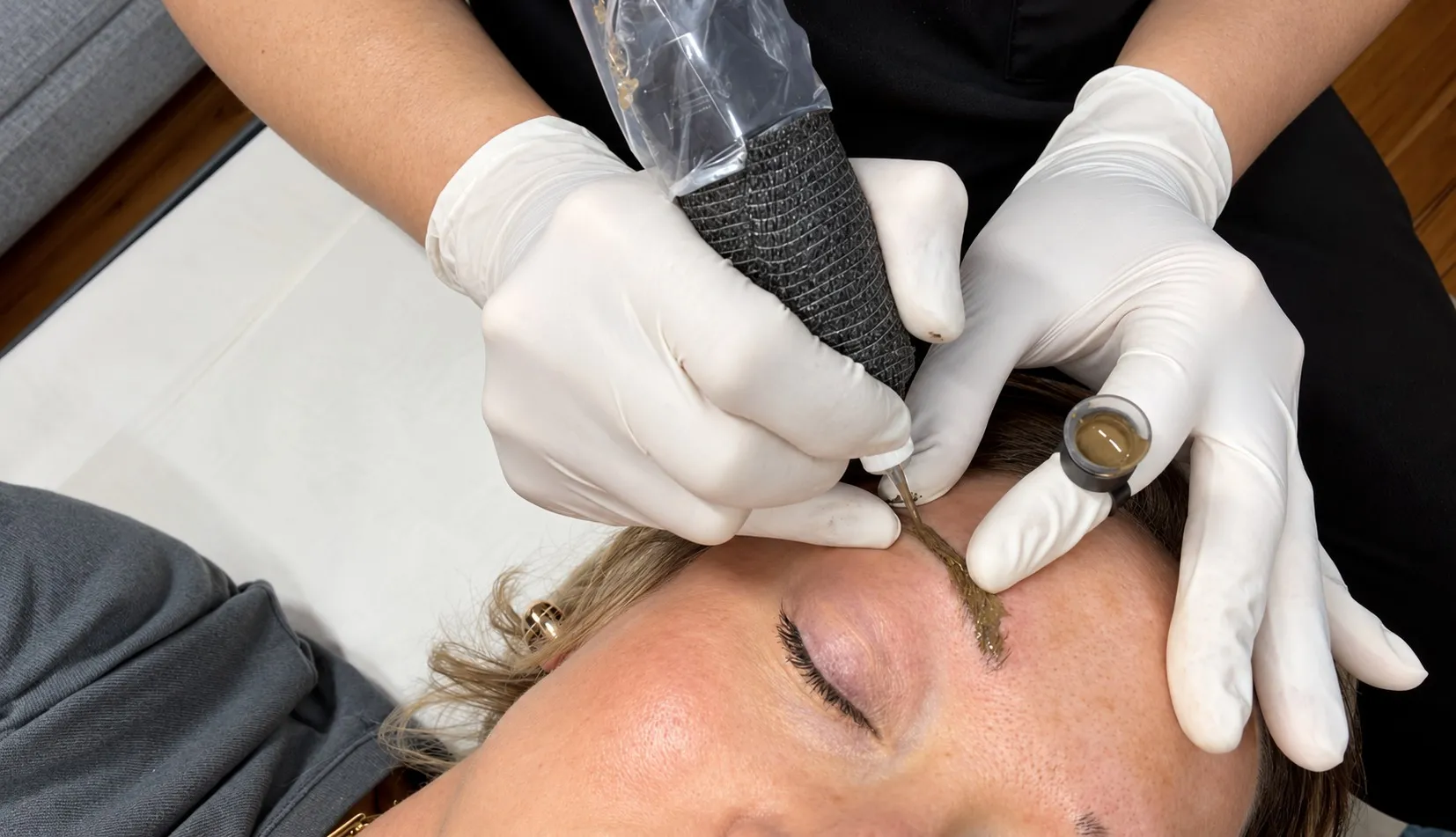
We reviewed the client’s goals, skin, anatomy, medical history, and any existing pigment to determine the most responsible starting point. Pre-care was also assessed here, including any changes needed before the procedure to support healing, retention, and overall results.
The design was refined with the client, not imposed on them. Existing growth pattern, muscle movement, bone structure, and asymmetry were assessed and addressed here. Pigment color and technique were also determined at this stage so the final plan reflected both the client’s features and how the work was intended to heal.
Each session followed the plan established during consultation and design. Depending on the case, this may have involved new brow work, maintenance, controlled fading, or a phased approach when older or more complex work required slower progression. Tailored aftercare was provided at this stage, along with a take-home kit prepared for the client’s skin and treatment plan.
Healing was tracked through scheduled virtual check-ins so progress, retention, and skin response could be reviewed over time. Once the work healed, we reassessed and the next step was determined conservatively.
DCPC Case Studies
Every face presents a different set of considerations. DCPC case studies explored permanent cosmetics across a range of skin conditions, brow characteristics, natural hair colors, pigment histories, and aesthetic goals—from alopecia and mature skin to masculine-presenting brows, blonde and red hair, overplucked brows, and aged permanent makeup.
Each case documents the assessment, approach, and results, offering a closer look at the decisions behind personalized brow design.
Frequently Asked
Cosmetic tattoo, also called permanent makeup or micropigmentation, is the controlled implantation of pigment into the upper layers of skin to enhance features like brows, lips, and lash line.
Yes and no. During the microblading boom in the 2010s, the majority of the industry sold a false narrative: that it just goes away. They failed to explain what it would look like on the way there. This is a tattoo — pigment is implanted into living tissue. It is going to fade, shift in color, and blur. Maintenance meets the work where it is and keeps the result aligned with the client's face.
A topical anesthetic is applied before tattooing, and additional anesthetic designed for open skin is used throughout the appointment as needed. Most clients feel pressure and a light scratch sensation rather than sharp pain.
PMU had a major boom in the U.S. in the mid-2010s. It went viral, and a lot of work suffered. This isn't just a beauty service — it's a government-regulated procedure on living tissue. Sanitation, contraindications, healing variables, depth control, pigment chemistry, and design structure all matter.
My approach is medical meets design. I design for your bone structure, skin, facial movement, and long-term healed result — not whatever is trending on TikTok. My background includes decades of education and experience in PMU, Anatomy and Physiology, and Art and Design.
My clients collaborate with me through the entire process. Personalized pre-care, aftercare, and follow-up are something many people who have received PMU elsewhere find surprising. I am transparent. I do not make empty promises. There is always an informed strategy.
Your face card is my business card. How you prepare before, how you take care of the work after, and how I read your body against my methods all determine the result.
It is safe when done in a regulated, controlled environment with proper infection control — and when you are a medically appropriate candidate. DCPC is Board of Health licensed and OSHA Bloodborne Pathogens certified.