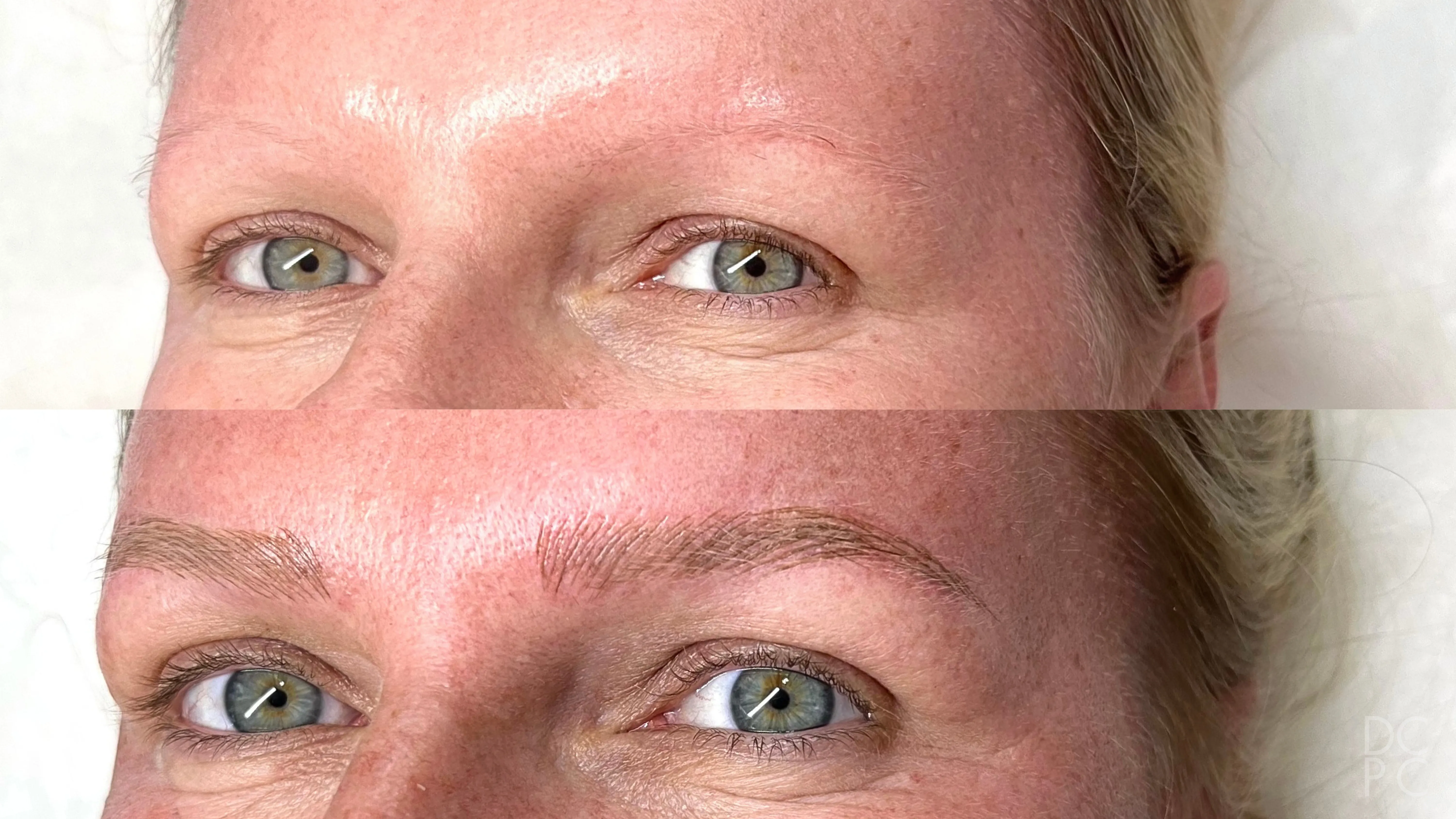
Harmonization
For previous brow work done outside DCPC.
For previous brow work done outside DCPC.
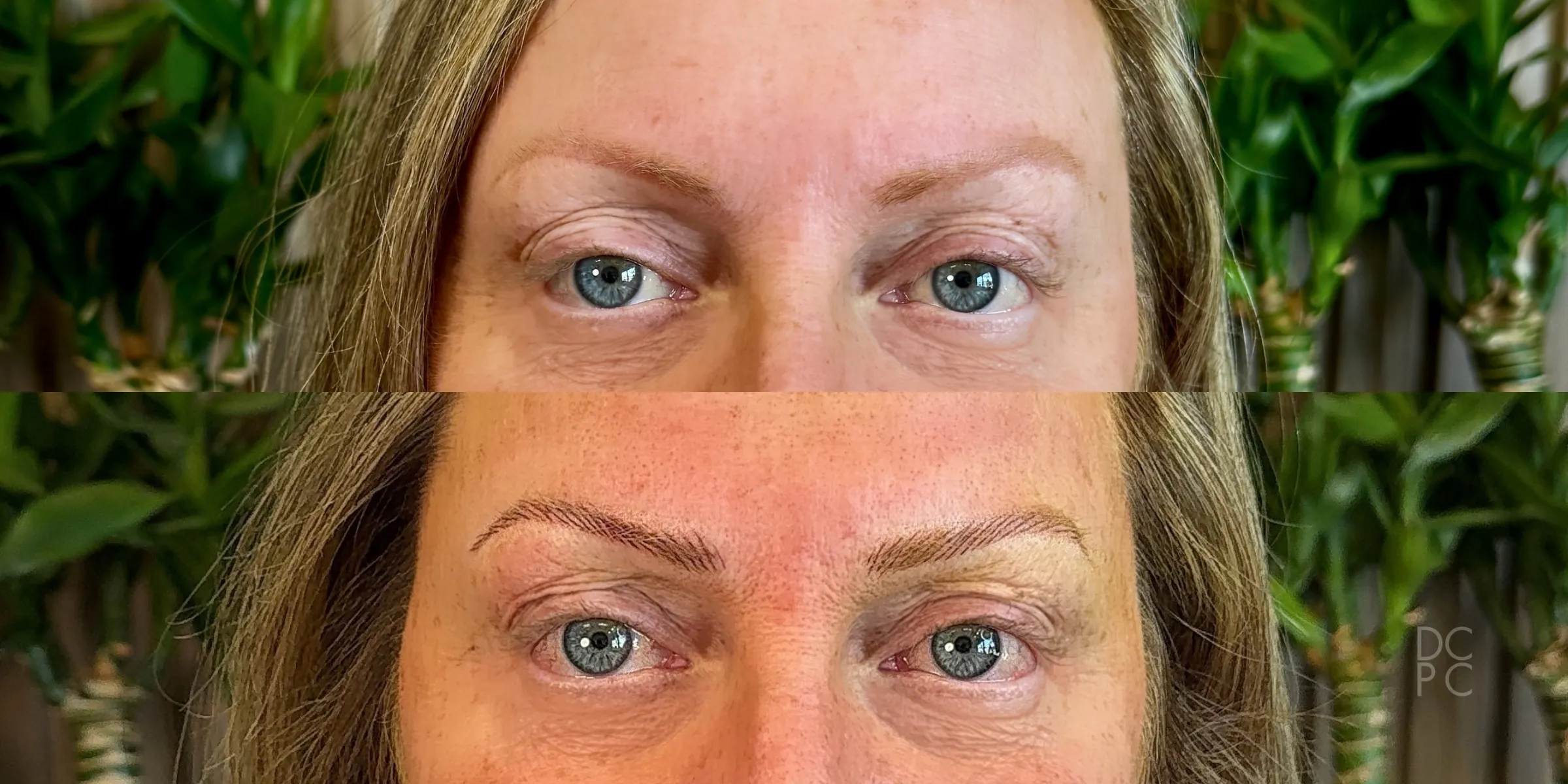
THE PATHWAY
At DCPC, Harmonization is for clients carrying previous brow work from another artist.
In the broader PMU industry, this category is often labeled “correction.” DCPC does not use that language. It flattens a complex situation into a simple villain story: the client becomes the problem, the previous artist becomes the failure, and the face gets reduced to damage control.
Common concerns include faded pigment, migrated pigment, shape issues, loss of definition, oversaturation, color shift, or work that no longer fits the face.
This pathway is not about covering everything and hoping for the best. It is about reading what is there, understanding how it is affecting the face now, and building a measured plan forward.
THE REFLECTIONS
What Clients Say
“You completely rejuvenated my mug, mama!”
“I can't stop looking in the mirror I am in LOVE!! Thank you thank you!!”
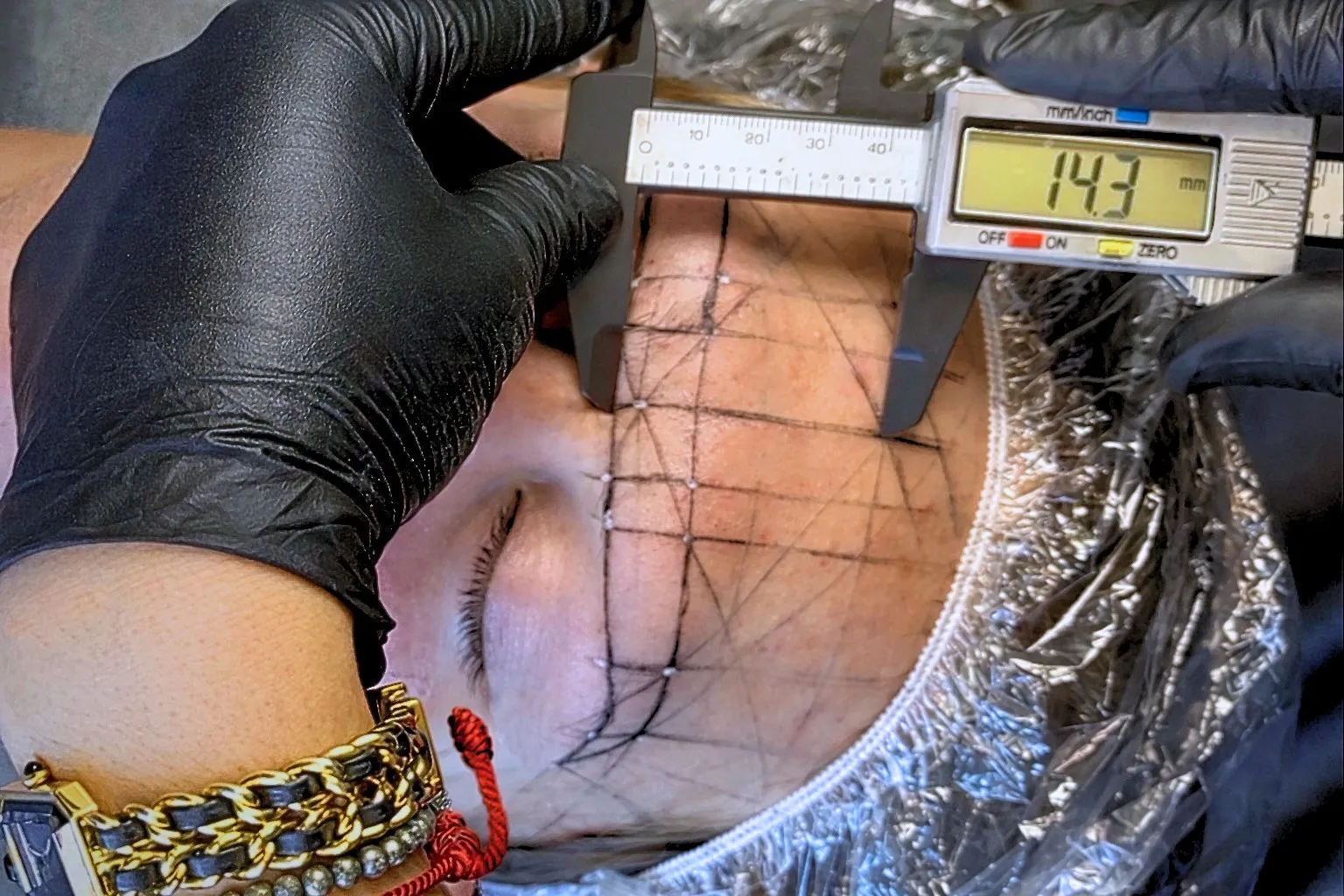
THE START
Every Harmonization case begins here.
This 60-minute one-on-one assessment reviews your current brow work, goals, lifestyle, skin, and facial structure. It includes facial analysis and facial mapping to determine what is old, what still reads, what is fighting the face, what can be supported, and what needs time.
Whether the next step is pigment fading, structural micropigmentation, or a staged sequence of both, the decision is made before any tattooing begins.
You leave with a clear plan: what stays, what shifts, what needs space, and what comes next.
Required for Harmonization / non-DCPC work, alopecia or very low-density brows, and complex-skin clients before booking any tattoo service. Virtual consultations available.
Reserve Your ConsultationTo maintain the highest quality of care and attention for each client, David accepts up to 35 DCPC PMU clients per month.
For a limited time, use code DCPC15 at checkout for 15% off PMU and Personal Styling services.
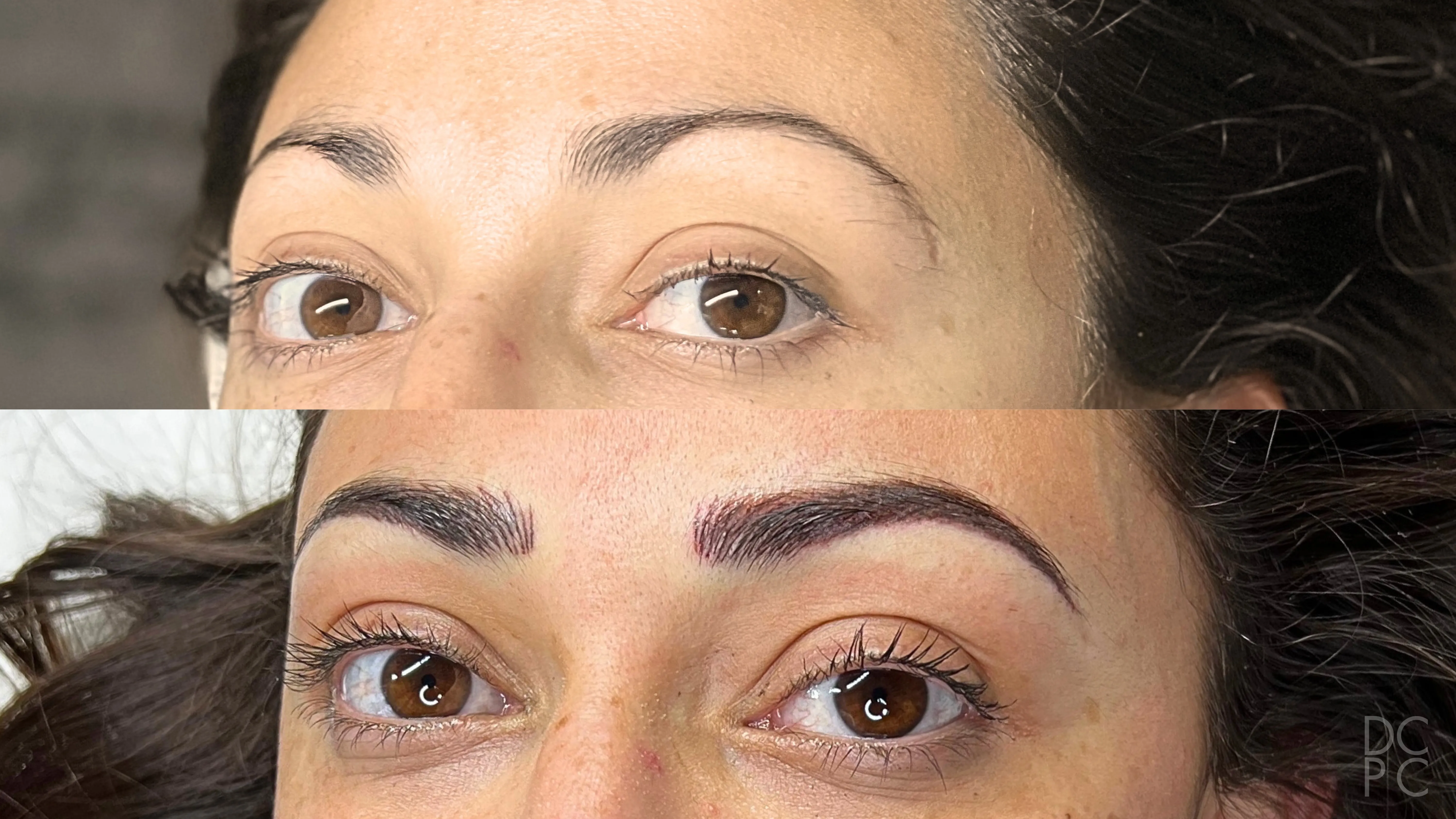
Frequently Asked
Harmonization may include pigment fading, structural micropigmentation, or a staged sequence of both. The plan is determined during Consultation & Facial Mapping before any tattooing begins.
Pigment fading can be part of maintenance when needed to create negative space so future touch-ups remain clean. For Harmonization clients, it's often part of the staged plan when previous work is too saturated, mispositioned, or the wrong color to safely build on top of.
In the broader PMU industry, this category is often labeled “correction.” DCPC does not use that language. It flattens a complex situation into a simple villain story: the client becomes the problem, the previous artist becomes the failure, and the face gets reduced to damage control. Harmonization is about reading what is there and building a measured plan forward.
Not always, and not always immediately. Whether work can be safely tattooed over depends on saturation, color, position, and how the previous pigment is healing. Some cases require fading first. Some require a staged sequence. The plan is determined at Consultation & Facial Mapping.
It varies. Some Harmonization cases are resolved in one or two sessions. Others require a sequence over 6–12 months depending on complexity. Conservative pacing protects the face and the long-term result.
The Invitation
The process begins with a conversation. Please complete the form to inquire about services, booking, or next steps.